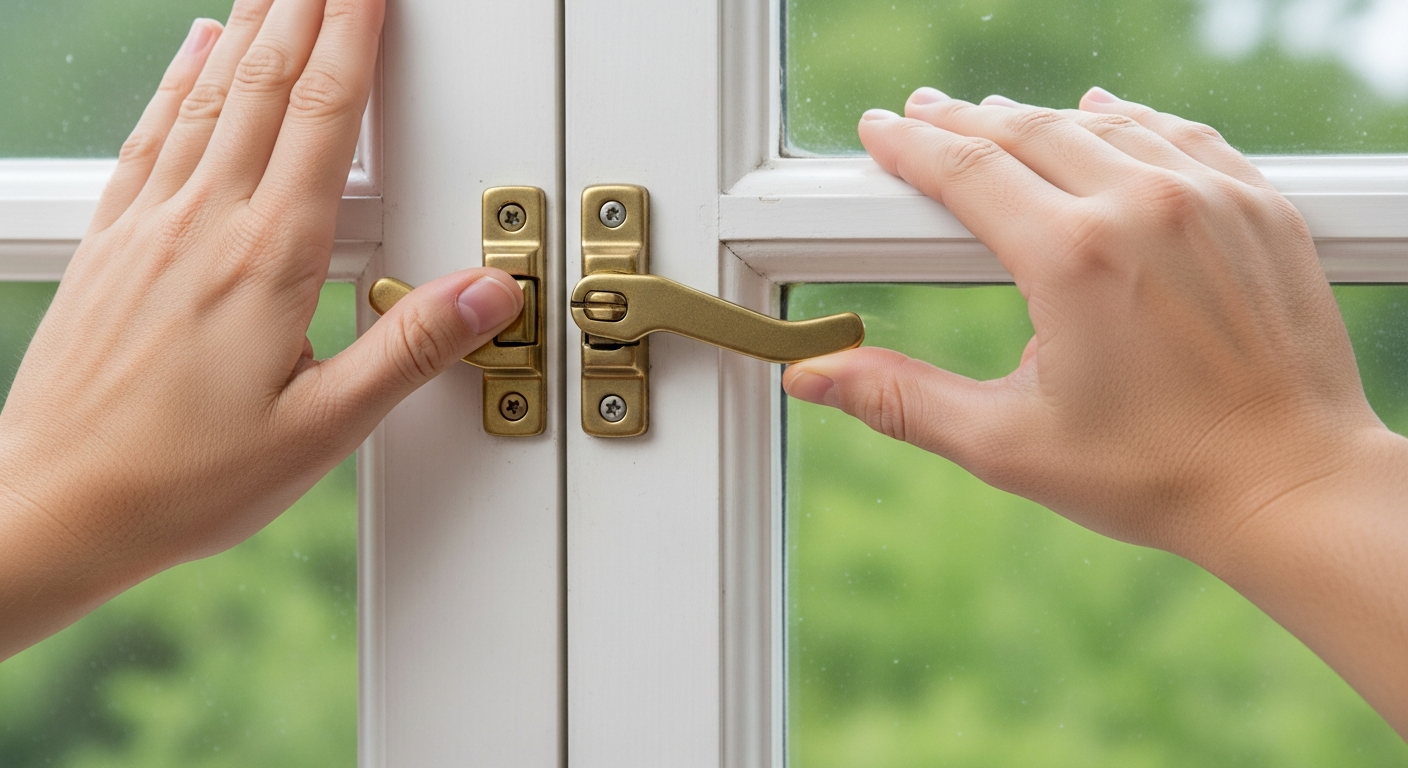
Lock a Window is something many people forget until they really need it. When you lock a window the right way, it keeps your home safe, stops strangers from coming inside, and helps you feel calm when you sleep at night. Many homes have weak or loose locks, and sometimes people don’t even know how the window lock works. So, learning how to lock a window in a simple way is very helpful for kids, adults, and anyone who wants a safe home. In this long guide, I want to share a very easy and friendly way to understand everything about locking windows, so you feel confident every day.
Most people think locking a window is just pushing a small latch or sliding the frame, but actually, there is a lot more to know. Let’s start by thinking about why windows matter so much in home safety. A window is not just a glass opening; it is a place where air comes in, light comes in, and sometimes danger can come in too. Many houses use simple locks that look safe, but they get loose with time. When the lock becomes old or soft, you may think the window is safe, but a small push from the outside can open it. So, learning how to lock a window correctly protects you from many risks. Another thing many people forget is that every window type has a different locking style. For example, sliding windows need a different lock than crank windows. Wooden windows lock differently from aluminum ones. Even the shape can change the safety level. This is why I want to explain everything in a simple story-like way, so you understand not just the “how to” but also the “why.” When you understand the reason, you become more confident.
How to Lock a Window for Simple Home Safety
Learning how to lock a window for simple home safety is very important because it keeps your home calm, safe, and protected. Many windows look closed, but they are not locked tightly, so checking the lock every day becomes a good habit. You can gently push the window frame and make sure the latch snaps in place without shaking. When you lock a window the right way, it stops strangers, cold air, dust, and even animals from entering. This small action makes your home feel safer, and you get peace of mind, especially at night or when you are away from home.
Best Ways to Lock a Window Without Making It Hard
One of the best ways to lock a window without making it hard is to keep the lock clean and easy to use. Sometimes dust or small dirt pieces make the lock feel stiff, so wiping it with a cloth helps a lot. You can also check if the screws are tight so the window closes smoothly. A simple sliding bar or latch makes the process quick without needing strong force. When you follow easy steps, locking a window becomes a soft, simple habit that anyone in the family can do without stress or confusion.
Easy Tools You Can Use to Lock a Window Better
There are several easy tools you can use to lock a window better, even if you are not good with fixing things. A small window latch, a sliding lock bar, or a simple clip lock can make the window safe in just a few seconds. These tools do not need special skills, and most of them can be installed using a tiny screwdriver. They help keep the window steady and strong so no one can push it open from outside. With easy tools, you improve your home safety without spending much money or time.
How to Lock a Window to Protect Kids and Pets
Knowing how to lock a window to protect kids and pets is very helpful because little ones love to explore. You can use child-safe locks that open only halfway or require a little extra pressure that kids cannot manage. Pets like cats may push windows, so a strong latch helps stop accidents. These small safety locks give you confidence that your children and pets stay safe while still letting fresh air into the room. They keep the window secure and prevent anyone from opening it too wide by mistake.
Smart Tips to Lock a Window in Old or Loose Frames
When you need smart tips to lock a window in old or loose frames, start by checking the edges to see where the frame moves. Older windows may shake or not close tightly, so adding a small screw or a sliding clamp helps it sit in place. You can also use foam strips around the frame to fill little gaps so the lock holds better. Tightening the hinges or latch makes the window feel new again. With these simple steps, even an old window can lock safely and strongly.
How to Lock a Window During Storms and Bad Weather
Knowing how to lock a window during storms and bad weather can protect your home from strong winds and rain. Always make sure the window closes fully without any gap, and push the lock until it clicks firmly. You can add an extra bar lock or a small bolt to make it even stronger. When the window is locked tightly, it stops air pressure and water from getting inside. These simple steps help keep your home warm, dry, and safe during heavy rain or windy days.
Types of Locks You Can Use to Lock a Window Safely
There are many types of locks you can use to lock a window safely, and each one helps in a special way. A latch lock is common and easy, while a sliding lock works well for windows that move sideways. A keyed lock gives extra safety because only you can open it. Bolt locks give strong support, and child-safe locks help keep kids protected. Choosing the right lock depends on your window type and how much safety you want. Each lock makes your home feel safer and more comfortable.
How to Lock a Window When You Travel or Leave Home
If you want to know how to lock a window when you travel or leave home, the first step is to double-check all the locks in every room. Using two locks on one window, like a latch and a bar, gives stronger safety. Make sure the window frame has no cracks or gaps that can be pushed. Some people also add small security clips that stop the window from sliding. When you lock a window properly before leaving, you feel relaxed knowing your home stays safe while you are away.
Conclusion
Locking a window may look simple, but it is one of the most important things you can do to keep your home safe and peaceful. When you take a little time to check the lock, frame, and tools, you make your home a stronger and safer place. Learning these small habits helps you feel more confident because you know you are taking care of your family. A well-locked window brings comfort, stops danger, and gives you a calm feeling every day. This shows that even small actions can make a big difference in your home.